
Optimal Timing for Asphalt Service
Understanding the optimal timing for asphalt service is essential for ensuring durability and minimizing disruptions. Seasonal considerations, temperature ranges, and weather patterns influence the effectiveness of asphalt maintenance and installation.
Spring offers moderate temperatures ideal for asphalt work, reducing the risk of cracking and ensuring proper curing.
Summer provides longer daylight hours and warm weather, but excessive heat can cause asphalt to become too soft, impacting quality.
Fall's cooler temperatures help asphalt set properly, with less moisture interference, making it a preferred season for repairs.
Winter is generally unsuitable due to low temperatures and frequent precipitation, which hinder asphalt application and curing.
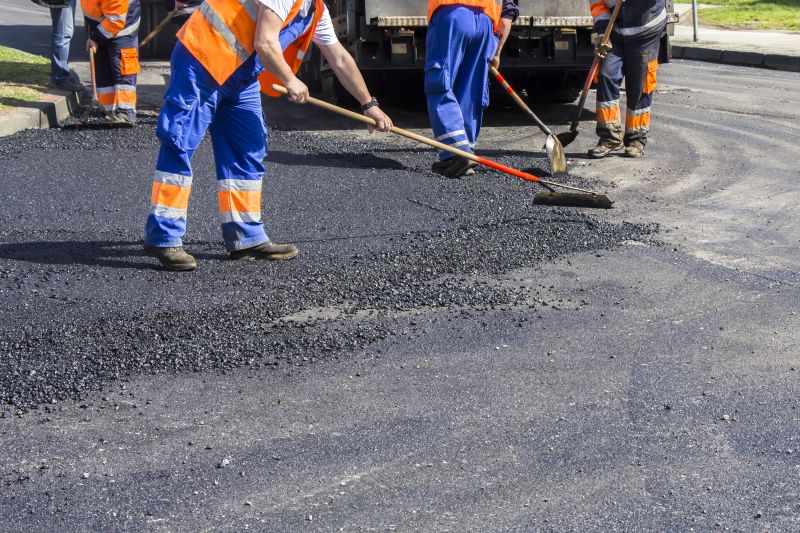
Spring is ideal for sealing and repairs to prepare surfaces for heavy use.

Summer allows for extensive projects but requires precautions against heat-related softening.
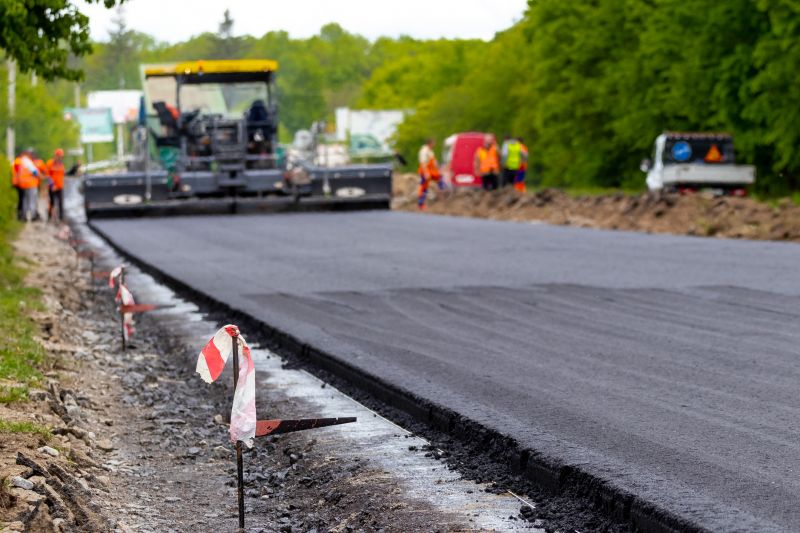
Fall provides optimal conditions for paving and sealing before winter.
Ways to make Asphalt Service work in tight or awkward layouts.

Popular materials for Asphalt Service and why they hold up over time.
Simple add-ons that improve Asphalt Service without blowing the budget.

High-end options that actually feel worth it for Asphalt Service.
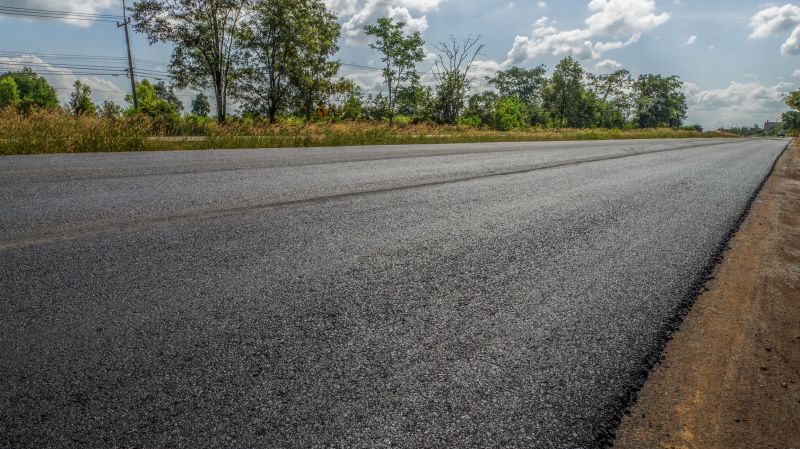
Finishes and colors that play nicely with Asphalt Service.
| Season | Ideal Activities |
|---|---|
| Spring | Seal coating, crack filling, minor repairs |
| Summer | Resurfacing, large repairs, sealing |
| Fall | Paving, sealing, preparation for winter |
| Winter | Limited to no asphalt work |
Proper timing for asphalt service can extend the lifespan of pavement and reduce long-term costs. Seasonal factors such as temperature fluctuations and moisture levels significantly impact the quality of asphalt applications. Scheduling maintenance during the right period ensures better adhesion, curing, and durability. For example, asphalt typically requires temperatures above 50 degrees Fahrenheit for optimal work, and prolonged exposure to moisture can weaken the pavement structure.
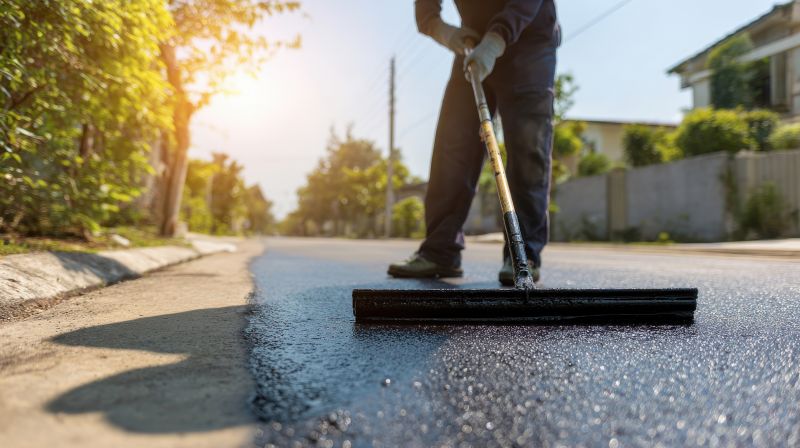
Spring's moderate climate supports effective asphalt sealing and repairs.
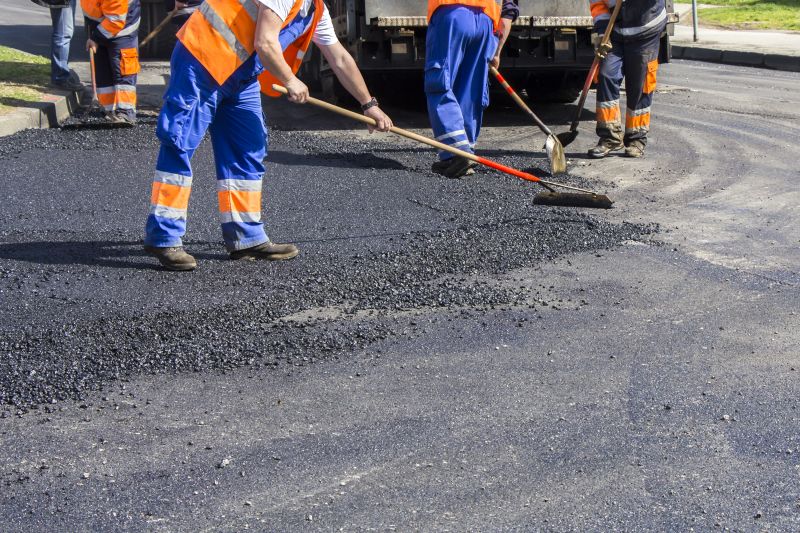
Warm weather facilitates large-scale resurfacing and sealing jobs.
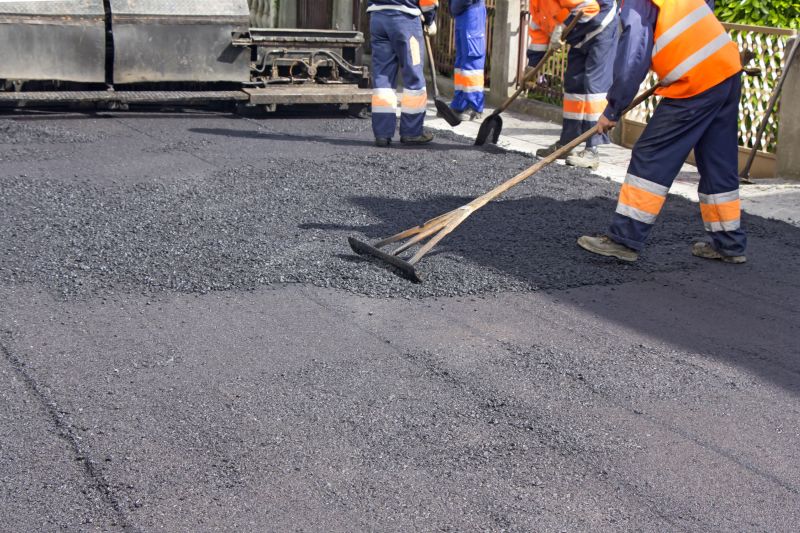
Cooler temperatures help asphalt set properly before winter.

Low temperatures and precipitation restrict asphalt work.

Little measurements that prevent headaches on Asphalt Service day.
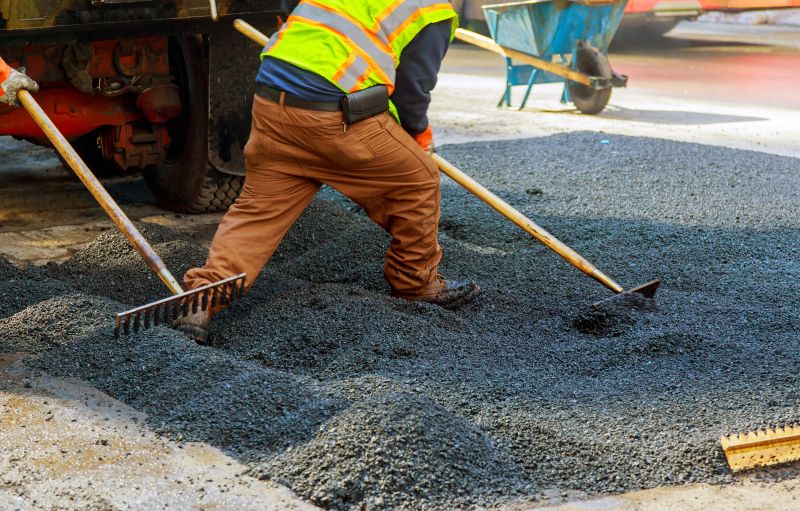
A 60-second routine that keeps Asphalt Service looking new.
Choosing the right season for asphalt service ensures optimal results and longer-lasting pavement.
Weather conditions directly affect the curing process and quality of asphalt work.
Scheduling during favorable weather minimizes delays and rework.
Timing can influence project costs due to seasonal demand and weather-related challenges.
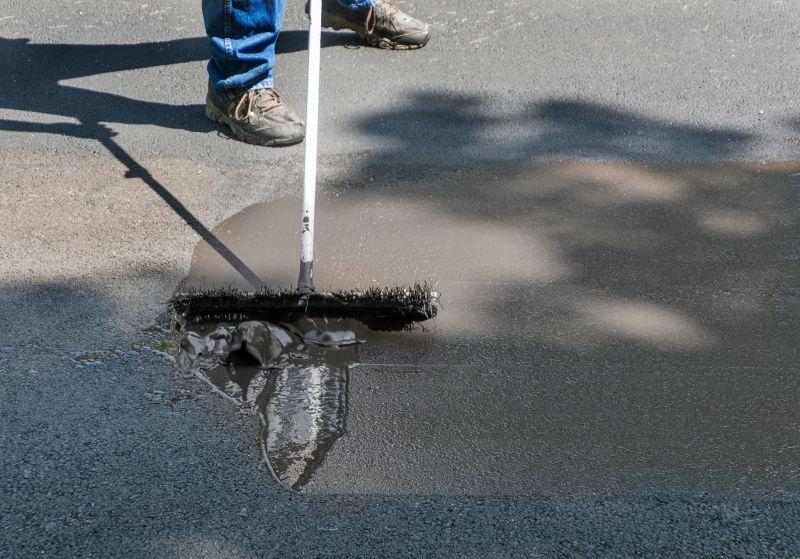
Optimal for protecting surfaces from summer wear.

Best performed during cooler parts of the day to prevent softening.
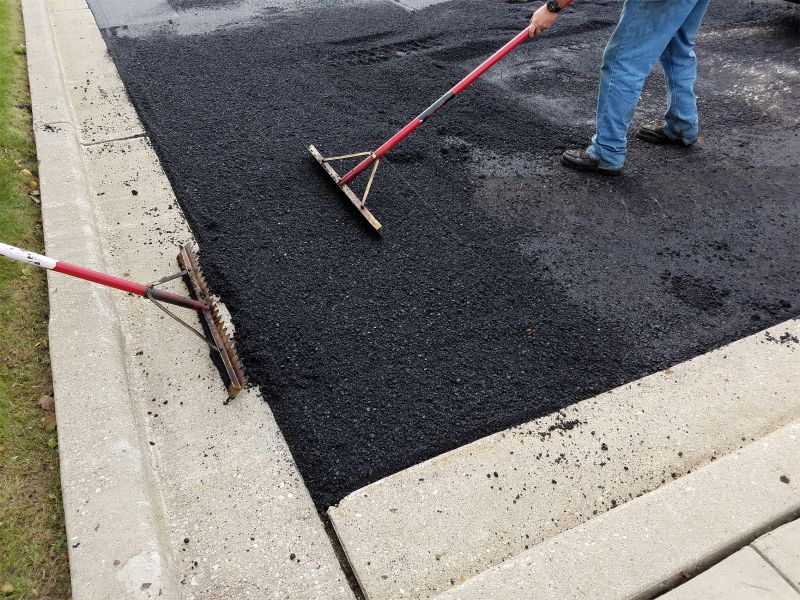
Prepares pavement for winter conditions.
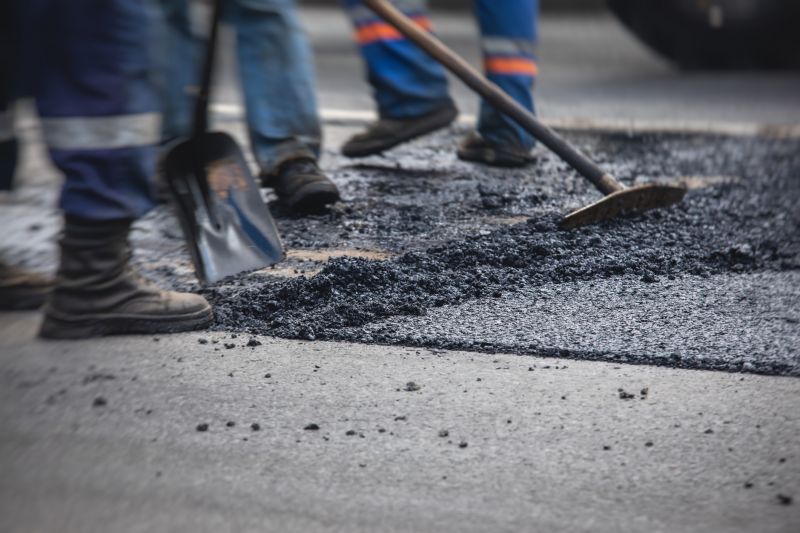
Minimal asphalt work possible in cold weather.

Small tweaks to make Asphalt Service safer and easier to use.
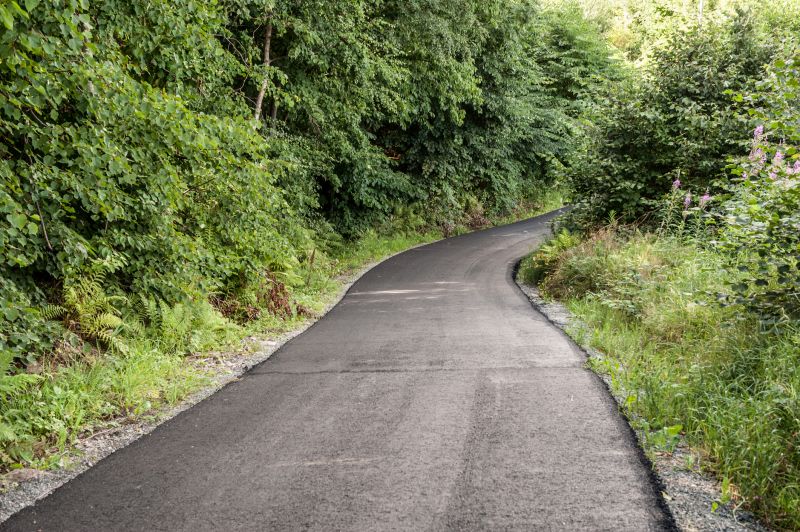
Lower-waste or water-saving choices for Asphalt Service.
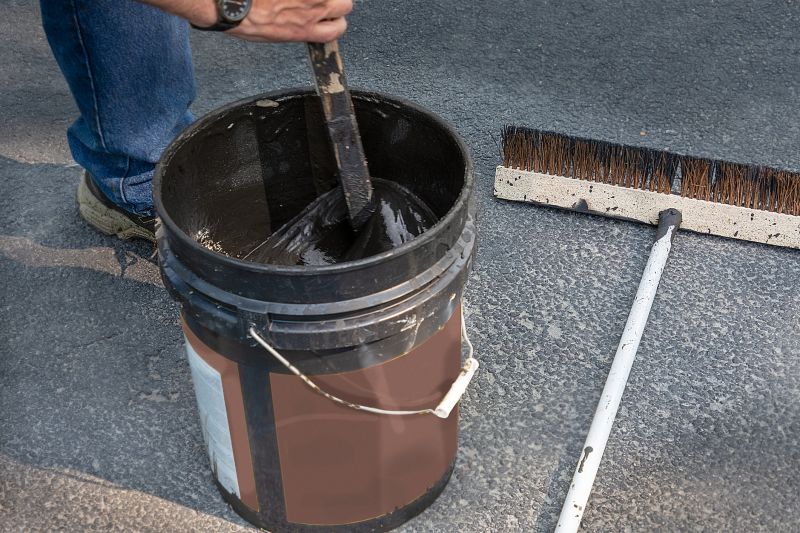
The short, realistic tool list for quality Asphalt Service.
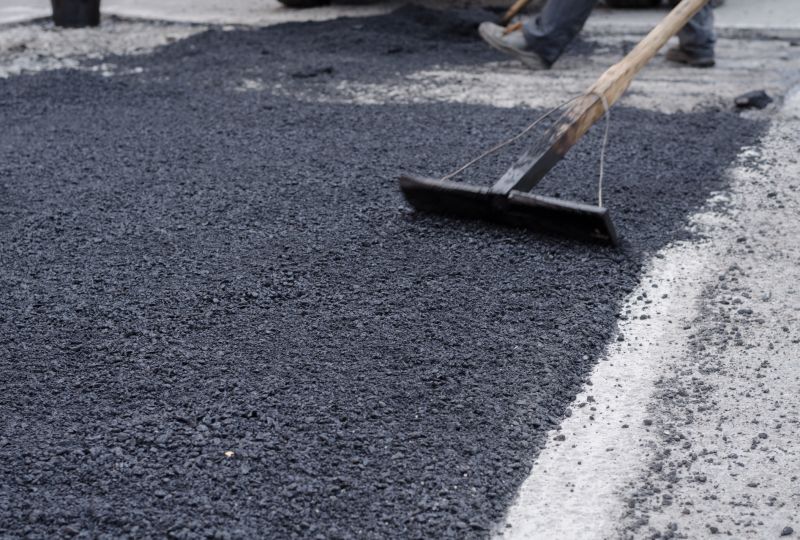
Rough timing from prep to clean-up for Asphalt Service.
Selecting the appropriate time for asphalt service depends on local climate conditions and project scope. Consulting with asphalt professionals can help determine the best schedule for maintenance or new installations. Proper timing not only enhances the quality of work but also contributes to cost savings and longer pavement life.
Interested in scheduling asphalt service? Filling out the contact form provides a convenient way to get more information and plan for upcoming projects in Salisbury, NC.